

Bridging Generations: The Benefits of Intergenerational Programs in Senior Living
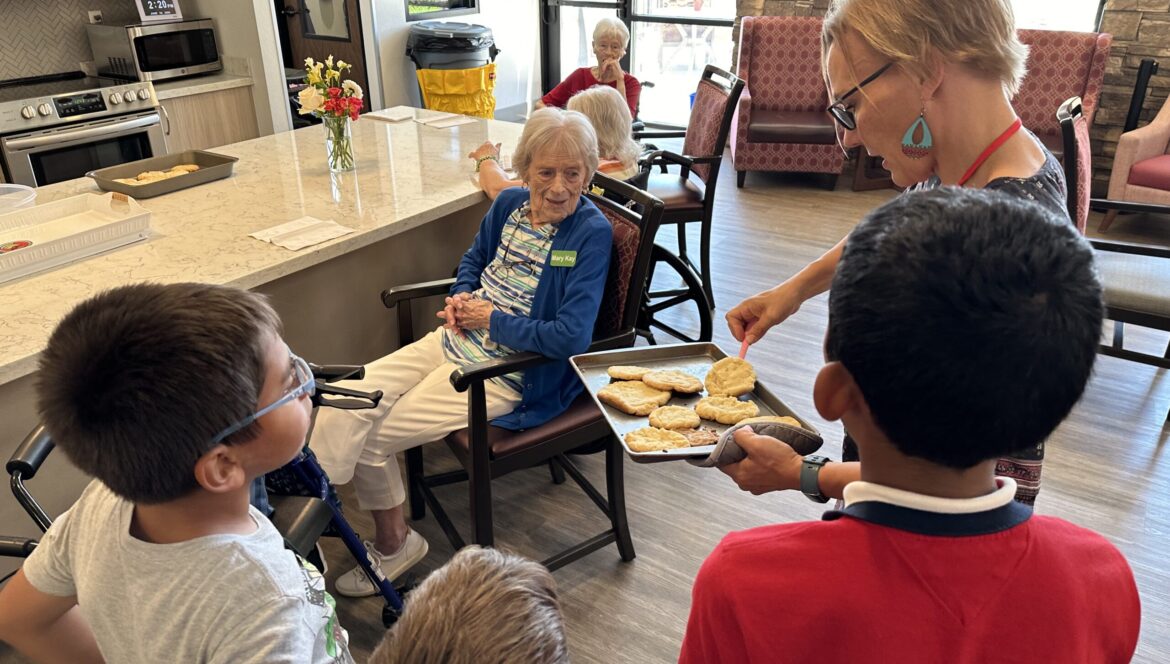
Bringing different generations together can greatly enrich the lives of seniors, particularly those in memory care or assisted living. Intergenerational interactions offer seniors a sense of connection to the broader world and foster feelings of purpose and fulfillment. For those in memory care, engaging with younger generations—whether through visits, shared activities, or regular interactions—can trigger memories and spark conversations, stimulating cognitive function and improving mood. These connections can also help reduce feelings of isolation, which is common among older adults living in long-term care settings.
Emotional and Social Benefits for Seniors
Intergenerational programs, where seniors interact with children, teens, or young adults, have been shown to dramatically improve seniors' mood and sense of purpose. Research proves that these programs help reduce loneliness and increase feelings of self-worth and happiness among older adults. For instance, when local school kids visit a memory care facility to sing songs or do crafts, the joy these interactions bring is palpable. Such moments not only spark happiness but can also help residents with dementia reconnect with positive memories. These connections enhance the overall well-being of seniors, fostering a sense of community and belonging.
Cognitive Stimulation
Intergenerational contact isn’t just “nice to have” – it can be therapeutic, engaging the brain in unique ways and reinforcing neural pathways. Activities that involve children, like storytelling sessions where elders share memories or joint art and music projects, are mentally stimulating for seniors. These activities help anchor residents in the present moment while also activating long-term memories. By participating in these shared experiences, seniors can stimulate cognitive function, improve their mood, and strengthen connections with the younger generation. Such interactions go beyond socialization; they offer valuable therapeutic benefits, enhancing both mental and emotional well-being.
Mutual Benefits – It’s a Two-Way Street
Younger participants also experience significant benefits from intergenerational interactions. Children and teens who spend time with seniors learn valuable skills such as empathy, respect, and communication. They gain wisdom from hearing seniors’ stories and begin to see older adults as friends and mentors, not just “old people.” This exchange of energy and knowledge is incredibly rewarding for both generations. For example, a local Girl Scout troop that regularly visits Amaran Senior Living has seen the positive impact of these visits, with both the seniors and the scouts forming lasting connections. Such programs highlight the powerful, mutual benefits of intergenerational engagement, enriching the lives of everyone involved.
Examples of Intergenerational Activities
Reading buddies: where elementary students come to read with residents once a week.
Arts and Crafts projects: making simple crafts or holiday decorations together.
Music and Performance: inviting a youth choir or school band to perform, which often energizes residents (some might sing along or dance).
Technology tutoring: teens helping seniors with smartphones or video calls – the young feel useful and seniors learn new skills.
For seniors, spending time with younger individuals, such as children or young adults, provides opportunities for mentorship, storytelling, and sharing wisdom. This can boost their self-esteem, as they feel valued and appreciated for their experiences. Conversely, younger generations benefit by learning from the life stories, wisdom, and experiences of older adults, fostering a deeper sense of respect and understanding across age groups.
Moreover, these interactions can be a source of joy and emotional fulfillment. Activities like arts and crafts, games, or simply reading together create meaningful moments and help seniors feel more engaged. Ultimately, intergenerational bonding nurtures a more vibrant, inclusive atmosphere within assisted living and memory care communities, enriching the lives of everyone involved.
Copyright © 2026 Amaran Senior Living. All Rights Reserved.