

Creative Therapies in Memory Care: How Art, Music and Hobbies Help Seniors Thrive
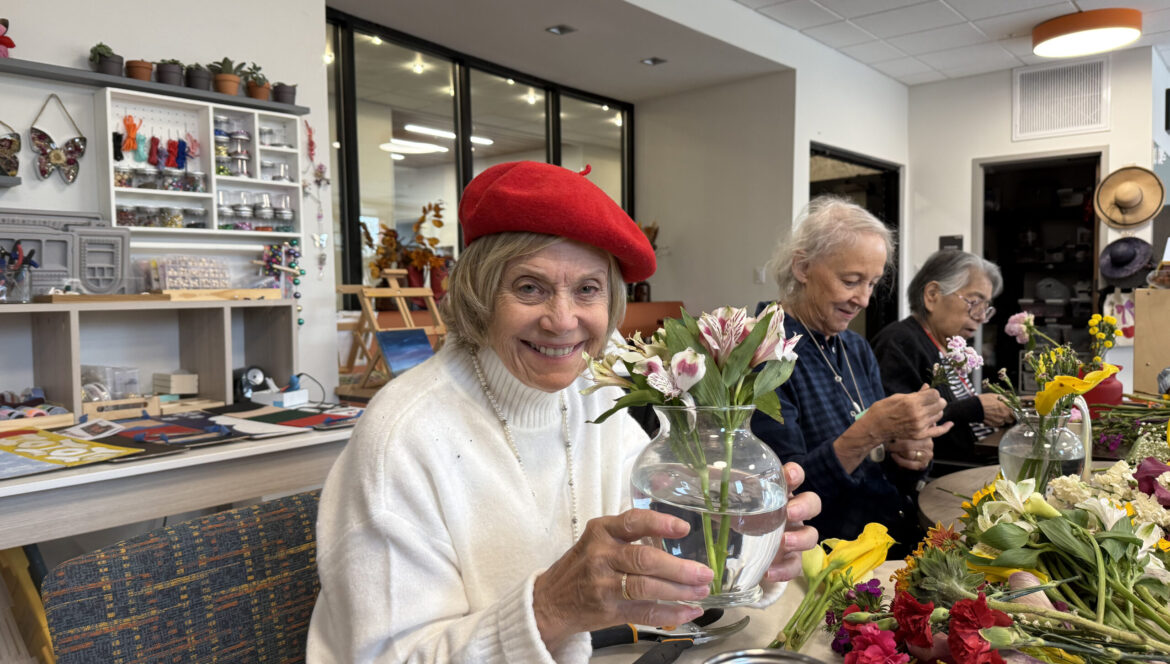
For families considering memory care (or those who have a loved one in memory care), it’s important to know that quality communities go beyond just safety and basic care – they provide innovative therapies and activities to keep residents engaged.
Why Creative Therapies Matter
Caring for seniors with Alzheimer’s or dementia requires a multi-faceted approach. Along with medical care or medications, enriching activities like guided reminiscence, pet therapy, art classes, and music sessions play a crucial role. Research suggests that combining medication with these kinds of non-pharmaceutical interventions can help sustain cognitive functions and even slow memory loss by engaging seniors in rewarding activities
Art Therapy
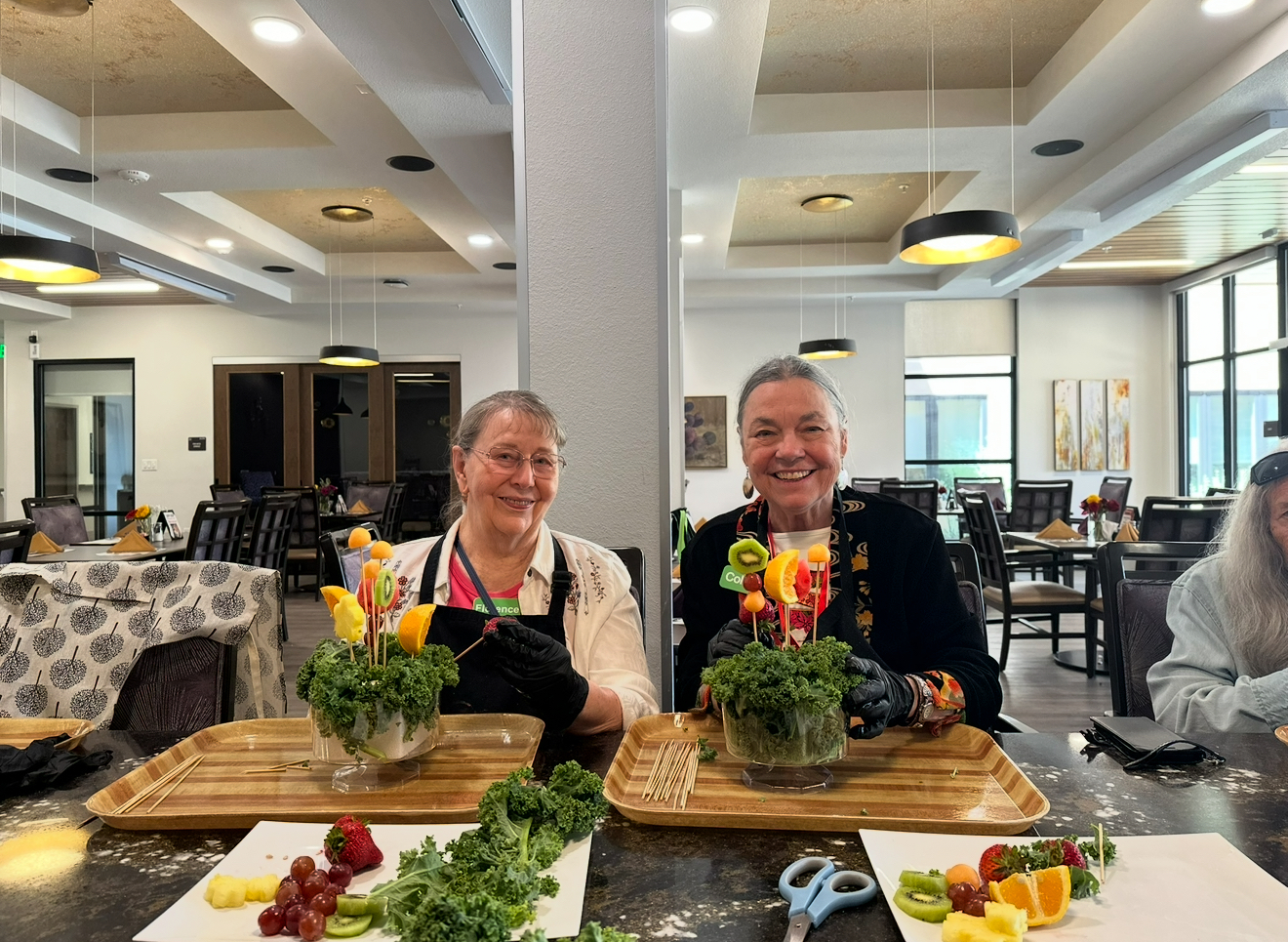
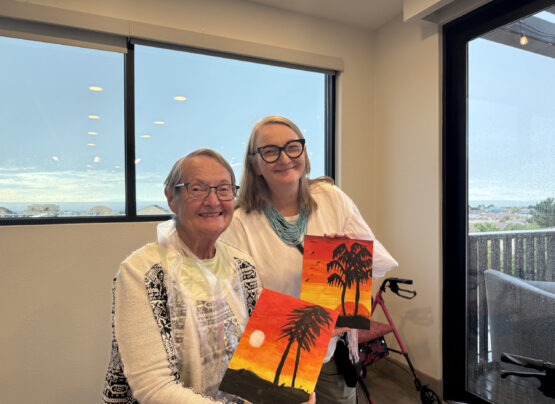
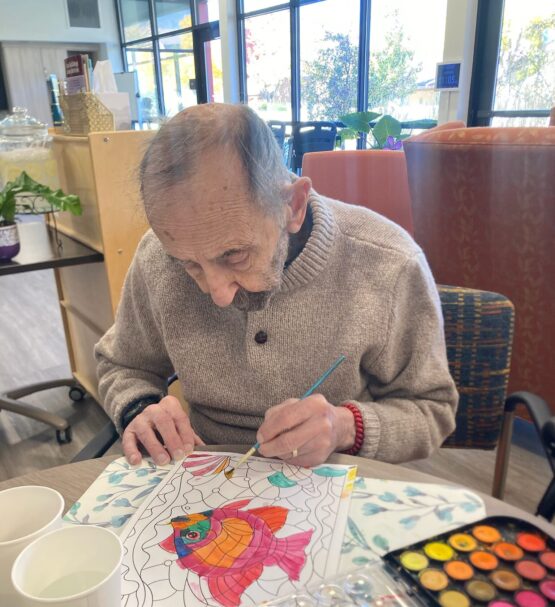
Painting, drawing, and crafts can provide significant benefits for individuals with dementia by stimulating their minds and enhancing their well-being. Engaging in these creative activities offers a non-verbal form of expression, allowing individuals to communicate emotions, memories, and experiences even when verbal communication becomes more difficult. The process of creating art can help improve focus, reduce agitation, and promote relaxation by offering a structured yet enjoyable activity. It also stimulates cognitive functions by encouraging fine motor skills, hand-eye coordination, and spatial awareness. Additionally, working with colors, textures, and shapes can evoke positive memories and emotions, potentially triggering long-term memories and promoting a sense of accomplishment. Overall, these activities offer a meaningful way to improve mood, reduce stress, and enhance quality of life for those with dementia, fostering a sense of connection, creativity, and joy.
Music Therapy


Music has an almost magical effect on memory, especially for individuals with Alzheimer's disease. Unlike other types of memories, musical memories are stored in parts of the brain that may remain intact longer as the disease progresses. The brain’s ability to recall familiar songs, melodies, and rhythms can trigger vivid memories, emotions, and even a sense of identity, even in the later stages of Alzheimer’s. This is because music engages multiple areas of the brain, including the areas responsible for emotions, movement, and memory, making it a powerful tool in stimulating cognitive function. For people with Alzheimer's, hearing familiar tunes can evoke long-term memories, reduce agitation, and improve mood. It can also enhance social interaction and promote communication, even when verbal abilities are impaired. Overall, music offers a unique and effective way to reconnect individuals with their past, providing comfort, joy, and a sense of continuity.
Montessori and Reminiscence
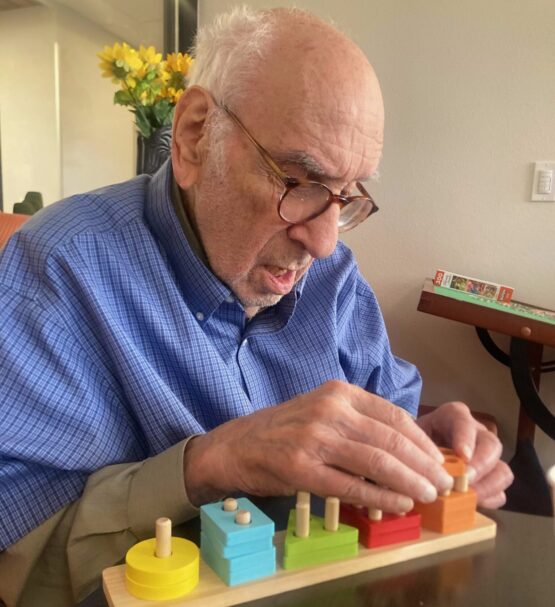
The Montessori method, when adapted for dementia care, focuses on hands-on tasks that engage the five senses, encouraging active participation and promoting independence. This approach uses simple, familiar activities such as sorting objects, folding towels, or handling textured materials, all designed to stimulate cognitive function and sensory awareness. By incorporating tasks that are meaningful and tailored to an individual's abilities, the Montessori method helps reduce agitation and enhance a sense of accomplishment. The focus on sensory engagement—sight, sound, touch, taste, and smell—helps individuals with dementia connect with their surroundings, maintain motor skills, and improve overall well-being.
Likewise, reminiscence therapy is a powerful technique that encourages individuals with dementia to connect with their past through the use of photo albums, old mementos, familiar scents, or even music from their earlier years. By revisiting objects or experiences that hold personal significance, reminiscence therapy helps stimulate long-term memories and emotions, allowing individuals to recall meaningful moments from their lives. This process can trigger conversations, fostering connections with caregivers or family members, which not only helps improve cognitive function but also boosts mood and self-esteem. Reminiscence therapy provides an opportunity for individuals to share their life stories, enhancing their sense of identity and offering a sense of continuity, despite memory loss. It can also help reduce feelings of confusion and anxiety, promoting a sense of comfort and security. In settings like memory care communities, reminiscence therapy can be integrated into daily routines to provide a structured, engaging activity that supports social interaction and emotional well-being.
Pet Therapy and Nature
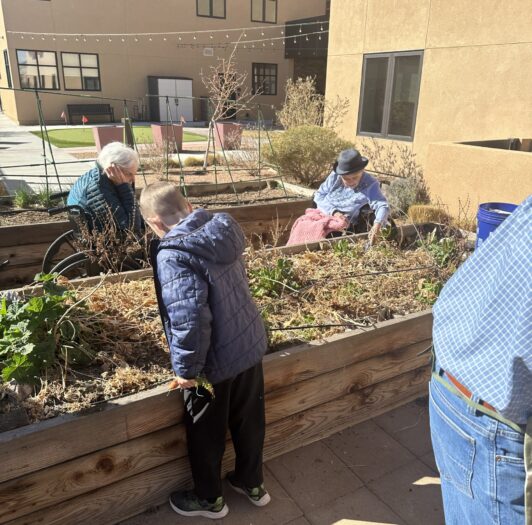
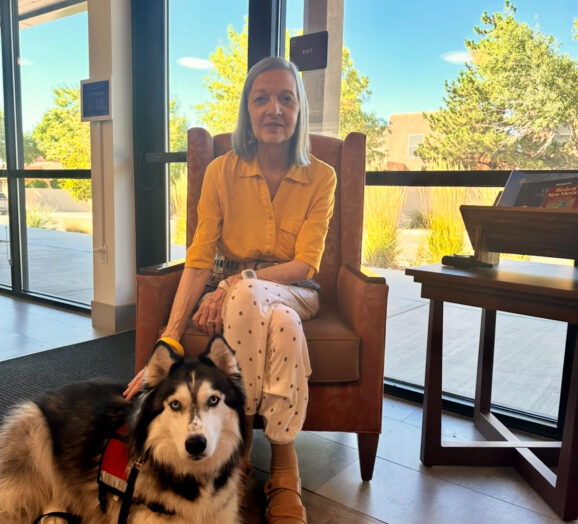
Interacting with animals, such as friendly dogs, cats, or even therapy ponies, can have a profoundly positive impact on seniors, especially those in memory care. Pet therapy has been shown to lower stress levels, reduce feelings of anxiety, and bring immense joy to older adults. The companionship of animals helps foster emotional well-being by providing comfort, companionship, and unconditional love. Studies have also shown that pet therapy can have tangible health benefits, such as lowering blood pressure and reducing stress hormones like cortisol. For seniors with dementia or Alzheimer’s, this connection to animals can evoke positive emotions and memories, offering a source of calm and reassurance.
In addition to pet therapy, many memory care programs also incorporate activities like gardening or nature walks, which further enhance a senior's quality of life. Gardening encourages sensory engagement through touch, smell, and sight, while providing an opportunity for physical activity in a peaceful environment. Nature walks offer fresh air, a change of scenery, and exposure to the outdoors, all of which contribute to mental and emotional well-being. The sights and sounds of nature can soothe agitation, improve mood, and provide a sense of purpose as seniors connect with the natural world around them. Together, these activities support cognitive function, reduce stress, and promote relaxation, contributing to an overall improvement in the lives of seniors.
Measuring Joy and Success
Even if these therapies don’t “cure” dementia, they can significantly improve the quality of life for individuals living with the condition. The true success of these therapeutic activities is often visible in small but meaningful moments, such as the smiles that emerge during a favorite song, the brief flashes of clarity that bring a senior closer to their past, or the reduction in challenging behaviors that often accompany the progression of dementia. These changes are not always drastic, but they make a profound difference in daily life. For example, afternoons may become noticeably calmer after a morning spent painting or listening to music, as these activities provide a sense of purpose, relaxation, and emotional release.
Family members often observe positive changes as well, which brings them comfort and reassurance. A mother, typically withdrawn, may surprise her family by humming a familiar tune after a music therapy session, showcasing a moment of connection with her past. Likewise, a father with memory loss might light up with joy while petting a therapy dog, expressing warmth and affection that is sometimes difficult to capture in more conventional forms of interaction. These moments, though subtle, are indicators of a richer, more fulfilling existence despite the challenges posed by dementia. They highlight the power of therapeutic interventions to improve mood, reduce anxiety, and create joyful, meaningful connections between seniors and their families.


Copyright © 2026 Amaran Senior Living. All Rights Reserved.